

Powder and granule processing plays a crucial role across a wide range of industries, including chemicals, pharmaceuticals, food, feed, coatings, batteries and cosmetics. In many of these applications, solids account for a significant share of the total product flow.
As a result, the way powders and granules are processed, handled and transformed has a direct impact on final product quality and performance.
Key material characteristics such as particle size distribution, dustiness, morphology, density and porosity strongly influence how a product behaves during production and use. Whether particles are formed through size reduction processes like milling, or through size enlargement techniques such as granulation or compaction, the chosen processing route fundamentally shapes the end product.
Processing technology
Although theoretical knowledge in powder processing continues to grow, the field remains largely experience-driven. Each unit operation — including milling, blending, sieving, compaction, granulation, coating, storage and conveying — affects material behaviour in its own way.
Fine-tuning processing conditions can improve not only product quality and throughput, but also energy efficiency, safety and the overall process reliability. Take milling as an example: it is typically energy-intensive and requires careful control to achieve the desired particle size without generating excessive fines.
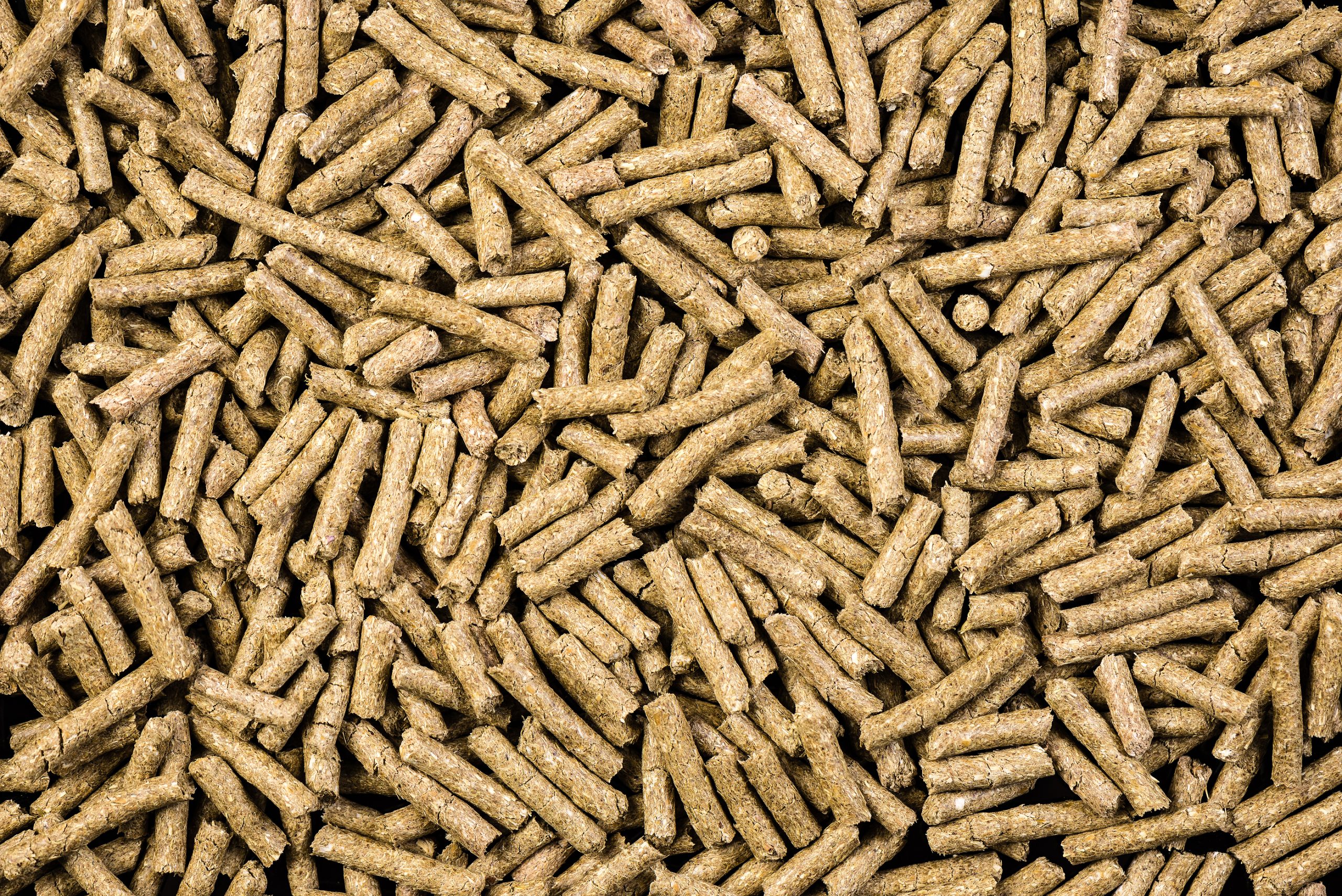
Granulation and compaction, by contrast, are used to increase particle size and functionality, often resulting in dust-free, free-flowing products. Mixing powders with different flow properties or particle morphologies presents its own challenges, just as storage and transport demand a solid understanding of flow behaviour, caking and segregation risks.
Custom Powders applies decades of hands-on experience to help customers solve powder and granule processing challenges, support new product development and enable scaling from pilot campaigns to full-scale production.
By selecting the right unit operations and processing conditions, the company can help turn complex material behaviour into consistent and reliable results.